September 23, 2026
Connecting the Dots: Software.org Celebrates 12 Years of Supporting Girls Who Code

April 17, 2026
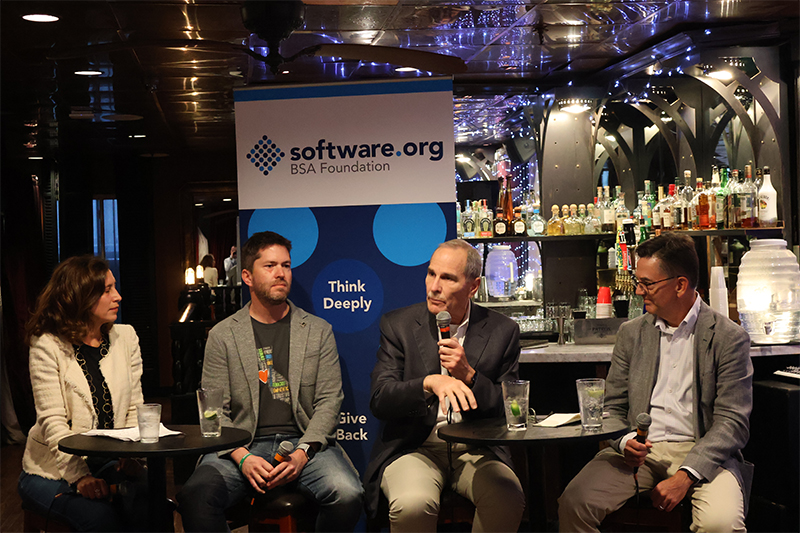
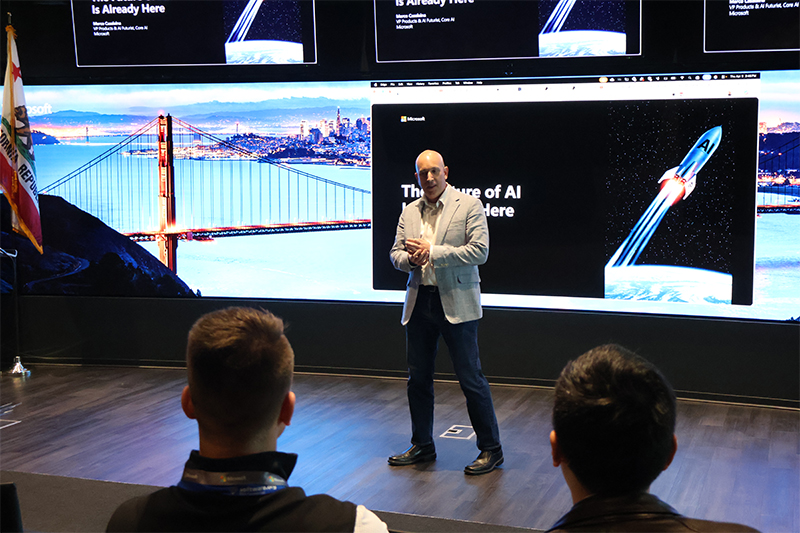
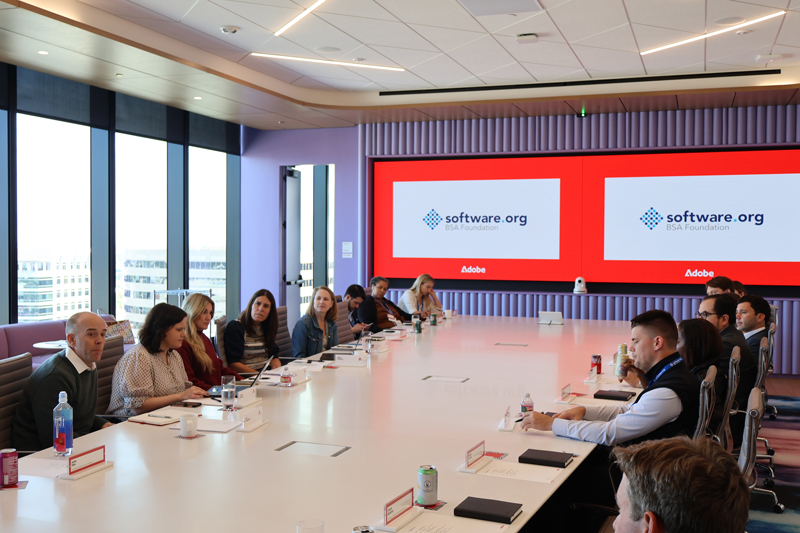
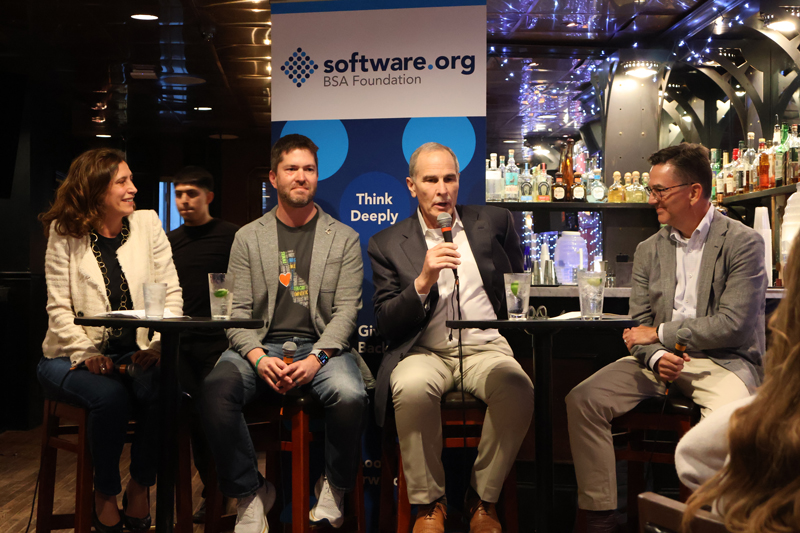
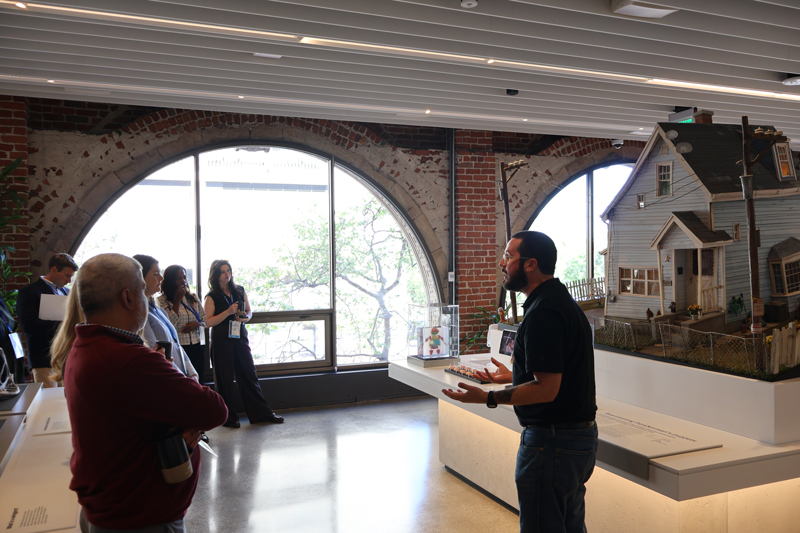
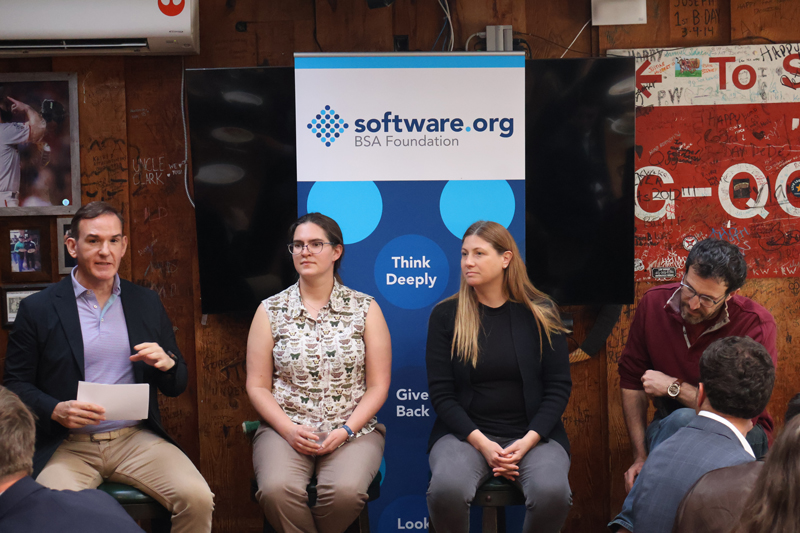
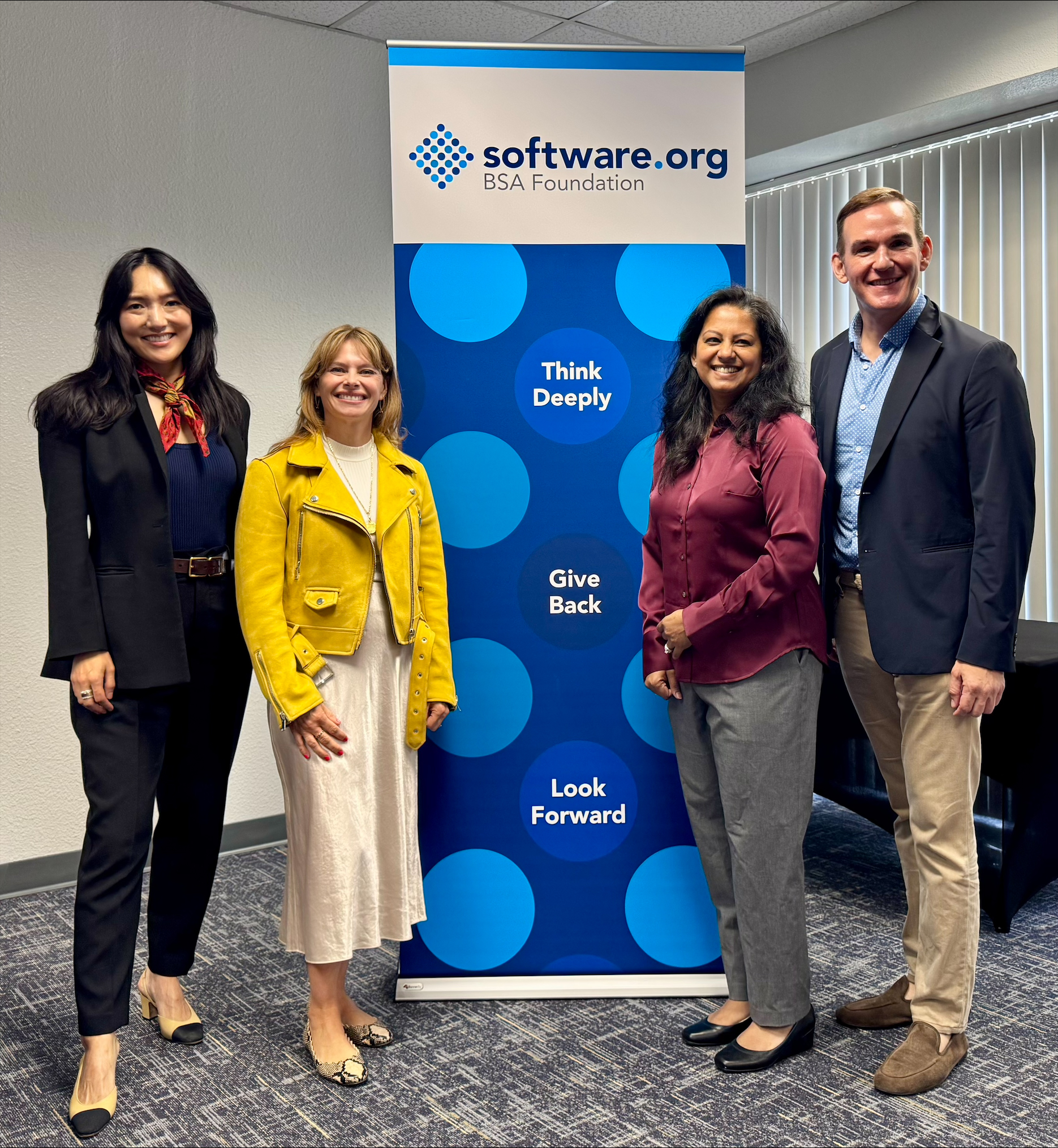
In April, Software.org: the BSA Foundation welcomed a bipartisan, bicameral delegation of congressional staff to San Francisco for an immersive, three-day program exploring how artificial intelligence (AI), agentic systems, and other emerging technologies are shaping the future of the global economy.
The delegation—bringing together staff from key House and Senate committees and leadership offices—engaged directly with leading technology companies, researchers, and policy experts across the Bay Area. The program focused on a central question: how can policymakers enable innovation and adoption while ensuring the responsible development and deployment of advanced technologies?
Bridging Policy and Innovation
Software.org organizes these delegations to connect policymakers with the people, technologies, and ideas driving rapid change. As a nonpartisan research organization, the Foundation works to deepen understanding of how software impacts society and to inform forward-looking policy frameworks.
Throughout the trip, participants explored how emerging technologies are being applied across sectors—from infrastructure and manufacturing to healthcare, finance, and energy—while also examining the governance approaches needed to support safe, effective, and equitable use.
Inside the AI Economy
The delegation began in San Francisco with visits to Autodesk, Salesforce, and SAP, where discussions highlighted how AI and machine learning are transforming enterprise operations and reshaping the modern workplace.
At Autodesk, participants explored how AI-driven design and simulation tools are revolutionizing industries such as construction, infrastructure, and manufacturing.
At Salesforce, the conversation focused on how AI is being leveraged to advance sustainability and broader societal impact. Leaders discussed how AI-powered tools can help organizations better measure, manage, and reduce their environmental footprint, while enabling more informed decision-making around climate and resource use.
At SAP, participants examined how AI is embedded across enterprise software portfolios, with a focus on driving productivity, innovation, and business transformation at scale.
Together, these sessions underscored a clear takeaway: AI is already deeply integrated into business operations and is increasingly aligned with broader economic and societal priorities.
From Theory to Practice: AI in Action
As the program continued, the delegation engaged with additional companies to explore how AI systems are being implemented in real-world contexts.
At IBM’s Silicon Valley Lab, participants discussed what constitutes “appropriate” AI, emphasizing the importance of designing systems to meet specific human needs and ensuring strong governance frameworks that extend beyond compliance.
At Adobe, the delegation examined initiatives aimed at promoting trust and transparency in digital content, including efforts to advance content authenticity and responsible innovation.
At Palo Alto Networks, discussions focused on cybersecurity in an AI-enabled environment, highlighting the need to protect critical infrastructure and data as digital threats continue to evolve.
At Microsoft, the delegation saw practical applications of AI agents in everyday workflows. Through live demonstrations, participants observed how AI agents can be built and deployed to perform specific tasks, offering a tangible look at how these tools can enhance productivity and support users in real time.
Across these engagements, a consistent theme emerged: the value of AI lies not only in its technical capabilities, but in how effectively it is applied to solve real-world problems.
AI in Regulated Industries
The delegation also explored how AI is being adopted in highly regulated sectors during a dinner discussion on “AI Agents at Work in Regulated Industries.” Leaders from healthcare, financial services, and energy shared insights on how their organizations are integrating AI while navigating complex regulatory environments.
These conversations highlighted both the opportunities AI presents to improve efficiency and outcomes, and the importance of thoughtful, risk-based policy approaches to support its adoption.
Looking Ahead: Quantum and Emerging Frontiers
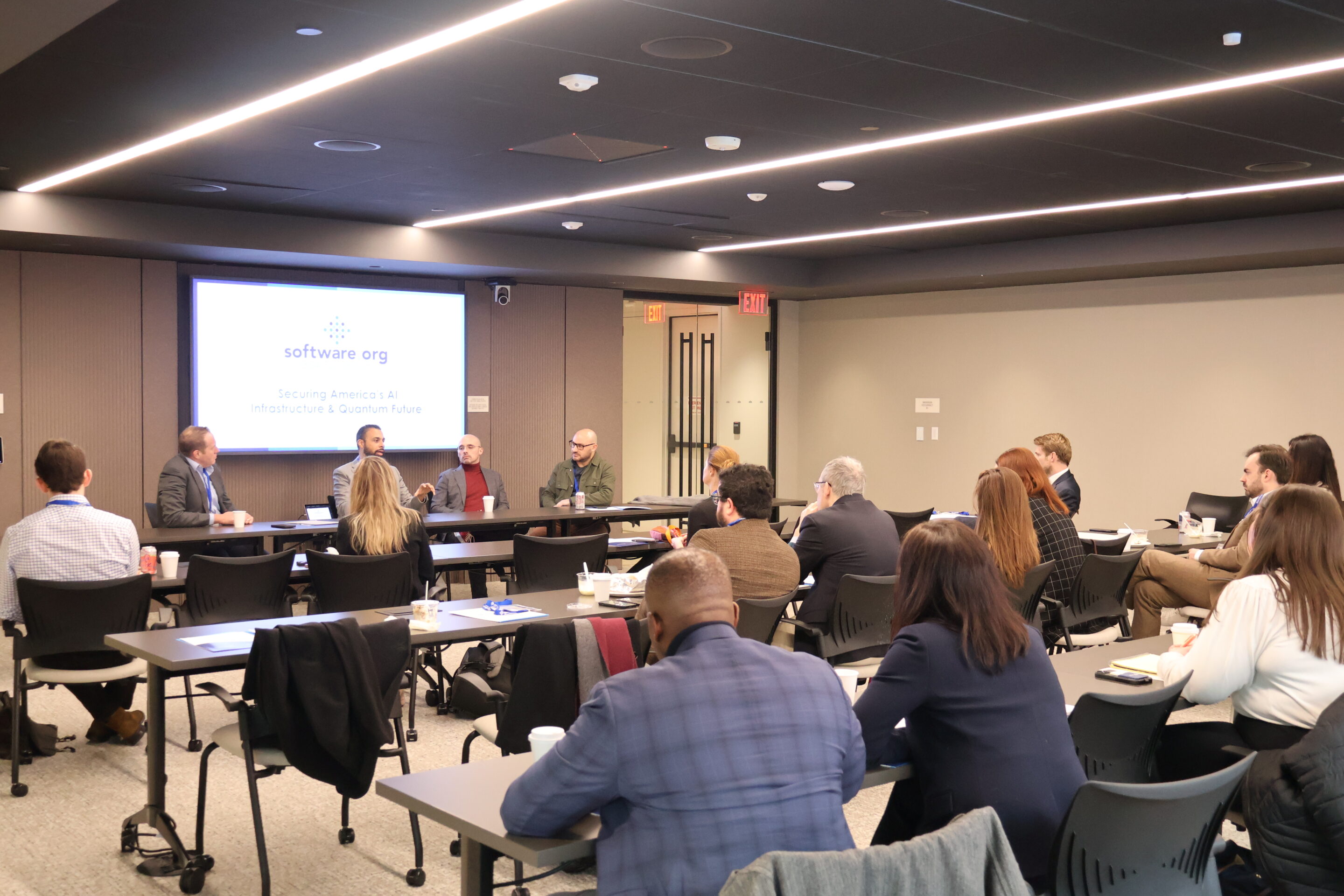
While AI was a central focus of the trip, the program also looked to the future. A second dinner discussion brought together experts from national laboratories, academia, and industry to examine the evolving landscape of quantum computing.
Participants explored the current state of quantum technologies, real-world applications on the horizon, and the policy considerations necessary to support continued research, development, and global competitiveness.
Continuing the Conversation
The delegation concluded with a visit to Oracle, where discussions reinforced the importance of workforce development, education, and public-private collaboration in sustaining long-term innovation.
Across every engagement, one message was clear: the pace of technological change is accelerating, and effective policymaking requires ongoing dialogue with industry leaders, researchers, and practitioners.
By connecting congressional staff directly with those at the forefront of innovation, Software.org’s delegation programs help ensure that policy discussions in Washington are informed by real-world insights and practical experience.
As emerging technologies continue to evolve, these conversations will remain essential to fostering innovation, strengthening economic growth, and shaping a future that reflects shared values.
 Gideon Lett
Executive Director, Software.org
Gideon Lett serves as Vice President & General Manager of Software.org: the BSA Foundation, overseeing the Foundation’s programs, operations, and outreach.